Inside the Library: Where Pages Turn and Minds Travel
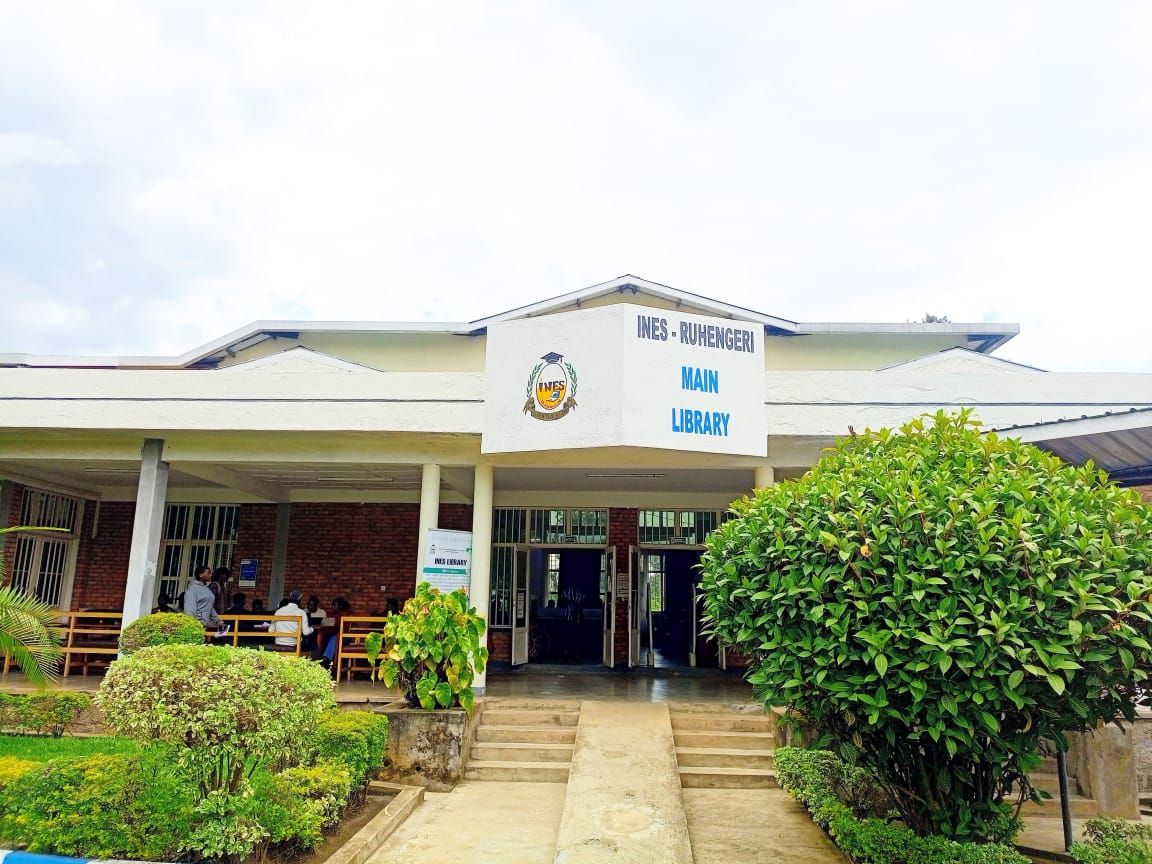
During a recent visit to INES-Ruhengeri, I had the opportunity to step into a space that quietly fuels one of the most powerful forces in human development: knowledge.
My presence on campus had a clear purpose. I had come to meet the director of the university’s main library to explore the possibility of introducing the Turning Pages initiative to the institution. The conversation was productive and encouraging, opening the door to what could become a meaningful partnership aimed at strengthening a culture of reading among university students.
After our meeting, I was invited to tour the library.
Walking through the aisles, I found myself surrounded by shelves generously stocked with books. Row after row, the volumes stood quietly, each one holding worlds of ideas waiting to be discovered. The atmosphere carried a calm intensity that only a library can produce.
Then I stepped into the reading section where students sat deeply absorbed in their work. On one side of the room, a group of young scholars focused on their computers, typing rapidly as they navigated research materials and assignments.
But beyond the computers and bookshelves, something else filled the room.
There was the soft rhythm of turning pages. Eyes moved steadily across lines of text. Now and then, a hand paused to jot down notes. It was a quiet choreography of learning. Every occupied seat told its own story—students physically present in the library, yet mentally traveling across distant places and ideas through the power of imagination.
For someone like me, a devoted bookworm and an advocate for reading, the experience stirred a familiar and comforting feeling. Libraries have a way of doing that. They remind you that behind the silence, countless minds are expanding, questioning, discovering, and connecting with the wisdom of the world.
In that moment, standing among shelves of books and rows of focused students, I was reminded why initiatives like Turning Pages matter. A reading culture does more than fill shelves—it opens minds, shapes perspectives, and prepares young people to engage with the world far beyond the walls of the library.
As I stepped out of the library and back into the lively rhythm of campus life, I carried with me a renewed sense of purpose. Spaces like this remind us that the future is often shaped in silence—between the turning of pages, the scribbling of notes, and the quiet determination of young minds seeking knowledge. If the spirit I witnessed inside the library is anything to go by, introducing Turning Pages at INES-Ruhengeri would not simply add another activity on campus; it would strengthen an already vibrant culture of curiosity, imagination, and intellectual growth.