Arusha: Through the Eyes of an African Explorer
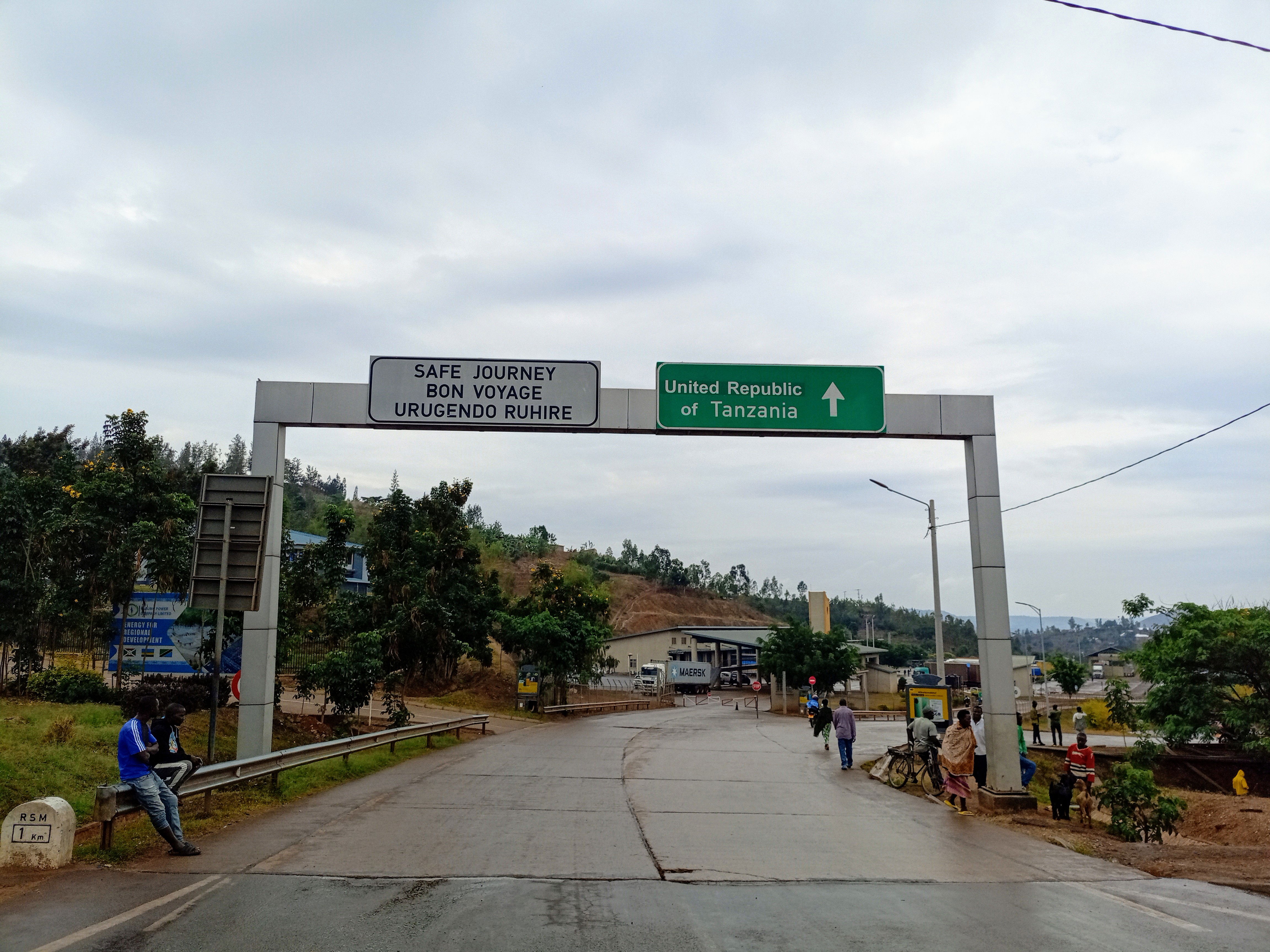
Rusumo One Stop Border Post
One Night in Kahama
We rolled into Kahama in the evening, a little exhausted and without the slightest idea of where we’d be sleeping. It was classic road-trip chaos: no reservations, no guidebook, just hope and a full tank of fuel. The town was buzzing, its streets alive with motorcycles, market noise, and the soft golden light of evening. We slowed down and began scoping out possible places to stay. A few towering hotels caught our eye, clean, polished, and most likely way beyond our budget. A quick check confirmed our suspicions.
So we kept moving, weaving through the busier parts of town and eventually drifting into a quieter residential neighborhood. That’s where we stumbled upon Dubei Hotel, a modest but tidy spot tucked behind a line of small kiosks. It wasn’t much from the outside, but inside we found warm showers, clean beds, and a smiling receptionist who warmly welcomed us. After a long day on the road, that was all we really needed.
The plan wasn’t to grab a quick bite and head straight to bed. We needed to explore a little before calling it a day. Curious about the local scene, we asked the hotel manager where people in Kahama go to unwind. He mentioned two spots, but it was the second, Magic 101, that made him grin knowingly. “That one,” he said, “never sleeps.” Intrigued, we climbed back into the Rover and set off, expecting a laid-back midweek crowd. What we walked into instead was a full-blown party already in motion.
From the moment we stepped inside, it was clear Magic 101 had a rhythm of its own. The DJ was in complete control, spinning a seamless mix of Bongo Flava, amapiano, Afrobeats, and Swahili throwbacks. His transitions were smooth, the drops perfectly timed, and his selections somehow matched the mood of the crowd with uncanny precision. The sound system thumped with bass you could feel in your chest, and the lights, dim and moody with bursts of neon, cast everything in a warm, vibrant haze.
The crowd wasn't what I expected to see in Kahama. These fellas weren’t just casual bar-goers. They were midweek regulars who lived for moments like this. They looked like people who worked hard all day and refused to let a calendar dictate their nights. Miners, traders, investors, maybe even a few off-duty civil servants, all letting loose like it was Friday night. Tables were full, the dance floor was packed, and the air carried a mix of sweat, perfume, and freshly poured beer. We found a corner table and just soaked it all in, clinking bottles, nodding to the beat, and watching Kahama people put on a show we never saw coming.
We didn’t stay long, just long enough to let the energy wash over us and remind ourselves that some of the best travel memories aren’t the ones you plan. Around midnight, we left Magic 101 behind and made our way back to Dubei Hotel. The streets had quieted slightly, the air now cooler and calm. We crawled into bed with a long drive ahead, but grateful that Kahama had gifted us something more valuable than rest: an unfiltered taste of Tanzanian nightlife, served on a random Wednesday, no reservations required.
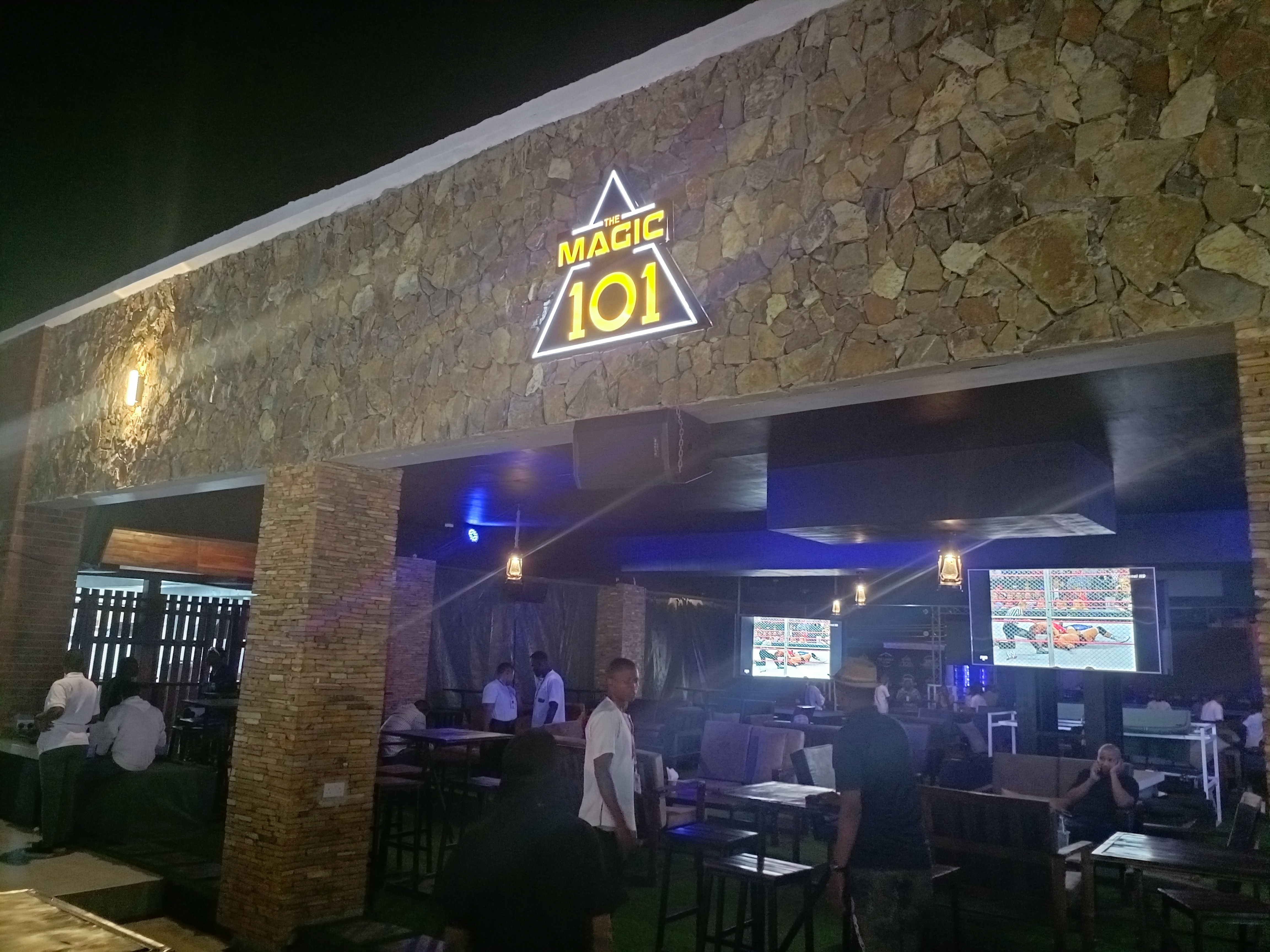
Magic 101
From Lake Singida to Mount Meru
We left Kahama early, engines humming and spirits high, determined to hit the tarmac hard. Day two was no joke. The stretch between Kahama and Arusha was longer than the entire distance we'd covered from Kigali the day before. But there was one big upside: no border crossings, no paperwork delays. Just us, the open road, and hundreds of kilometers of Tanzanian landscape waiting to unfold.
As we cruised into central Tanzania, the terrain began to shift. The hills gave way to wide, open plains, flatter, drier, and seemingly endless. One of the most striking contrasts with Rwanda quickly became clear: the roads. Gone were the winding, meandering routes, replaced by long, straight highways that stretched to the horizon like strips of asphalt laid out by a giant with a ruler. It was a different kind of beauty, more expansive. A kind of stillness blanketed the land, broken only by scattered settlements, grazing cattle, and the occasional dust trail from a motorbike zipping across the scrub.
We rolled into Singida around lunchtime, our stomachs growling just as the lake came into view. Regency Hotel & Resort, perched quietly along the shore of Lake Singida, offered a perfect lunch break spot. We took our seats at a shaded table overlooking the lake, where gentle waves brushed against rocky islands scattered across the water.
The breeze was cool, the vibe was peaceful, and for a moment, we forgot we were on the clock. A boat ride across the lake was tempting. “Just a short one,” someone suggested. But we all knew better. Half the day was already behind us, and more than 300 kilometers still lay ahead.
Back on the road, the landscape continued to surprise. I had never traveled along the Singida–Arusha route before, but it quickly earned its place on my list of scenic drives. Golden savannahs gave way to bursts of green, clusters of acacia trees lined the horizon, and then, rising in the distance, the silhouettes of towering volcanoes added a dramatic flair to the backdrop. The road twisted just enough to keep things interesting, each turn revealing a new postcard view.
We paused briefly in Babati to stretch and refuel. With Arusha now within striking distance, we made our final push. The sun dipped low, casting long shadows across the land. Traffic picked up as we got closer to the city, headlights beginning to dot the highway. It had been a long day, but the sense of arrival was slowly building with every passing signpost.
It was Thursday evening when we finally made it to Arusha. After two days of traveling together, I parted ways with my companions. Their organization had a base in the city, and they had work-related engagements lined up for Friday. We agreed to reunite on Saturday morning for the much-anticipated Land Rover Festival. As for me, I had other plans. Although I had sojourned in Arusha before, I’d never really explored the city. Having a full day off was the perfect excuse to dive in.
I checked into a cozy guest house called Sahara Inn, quietly tucked away in the Kaloleni administrative ward. After a refreshing hot shower, I drifted into a deep, restful sleep. In the morning, I woke up recharged and eager to discover what Arusha had in store.
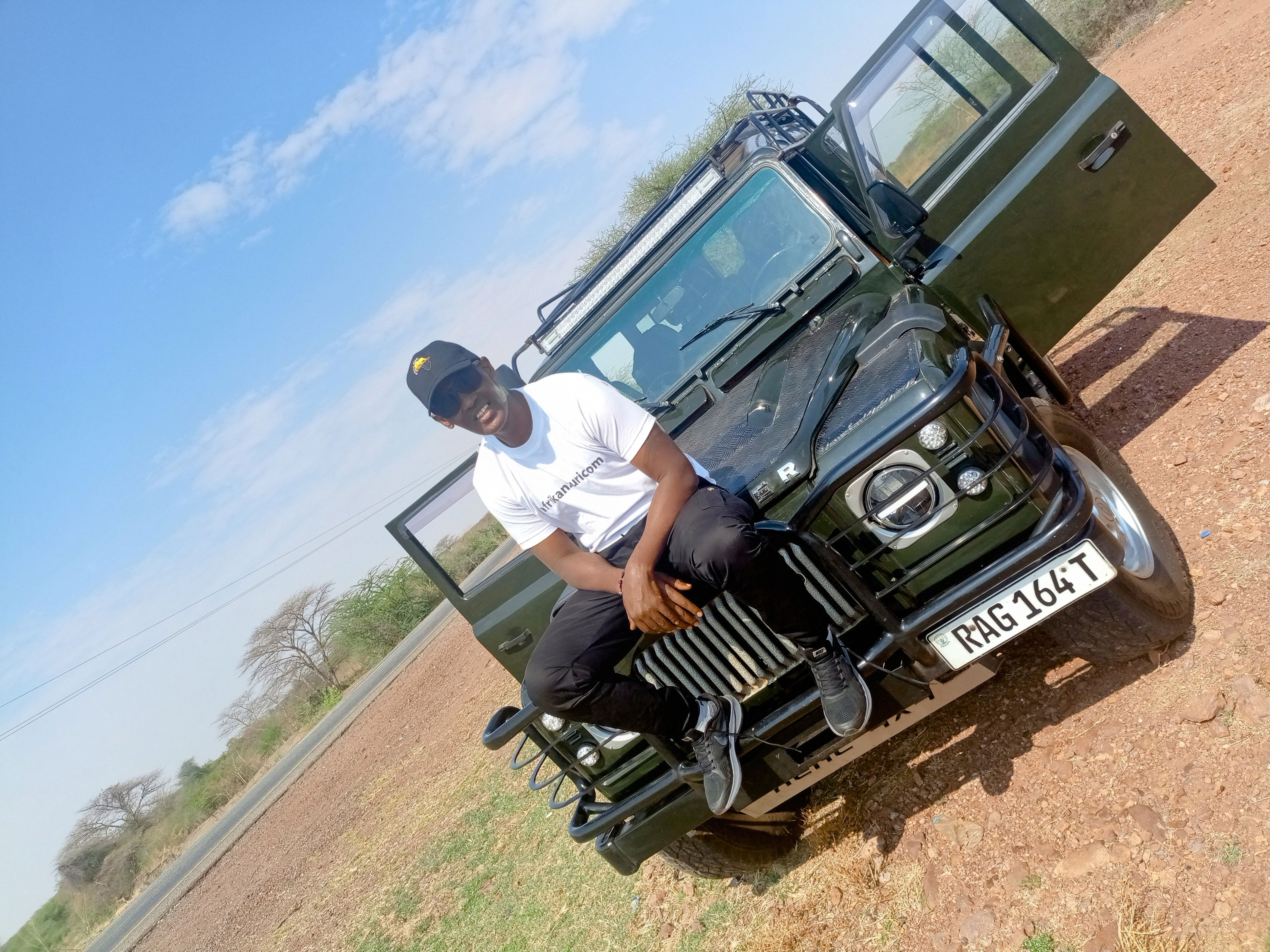
En Route to Arusha
Walking Tour
I woke up in Arusha to the comforting hum of a city coming to life. The call to prayer echoed softly in the distance, followed by the rhythmic clatter of traffic and footsteps outside my window. It was Friday morning, the day before the much-anticipated Land Rover Festival. I had no schedule, no obligations, just an unfamiliar city at my feet and an open mind ready to wander.
As mentioned earlier, I was staying at Sahara Inn, a cozy guest house tucked away in Kaloleni Ward. Its location, at the heart of a bustling quartier, offered a glimpse into the everyday life of an ordinary Arusha resident. After a quick breakfast of African tea and freshly baked chapatis, I set out on foot to explore the city.
I wasn’t after landmarks or bucket-list stops. I wanted to feel the rhythm of the city, hear its voices, smell its kitchens, and follow its pulse. But after a quick glance at Google Maps, I found out that I was standing just a stone’s throw away from the Arusha Declaration Museum. I hadn’t planned to visit a museum, but as a history enthusiast, it felt like the perfect place to begin my exploration.
What I expected to be a brief stop turned into a deeply immersive experience. The museum offers far more than documentation of the 1967 Arusha Declaration. It also serves as a natural history museum, presenting a wide-ranging overview of Tanzania’s layered past. From the arrival of the Portuguese and Arabs to the German and British colonial eras, from the rise of independence movements to the union of Tanganyika and Zanzibar, the exhibits guided me through centuries of struggle, identity, and transformation. More importantly, what I learned there deepened my understanding of Mwalimu Nyerere’s Ujamaa philosophy.
Each display gave depth to the journey of a nation, and with every room I entered, I found myself connecting more and more with the people whose daily lives played out around me on the streets of Arusha. My tour guide, well-versed and passionate, answered my endless questions with clarity and precision, painting not just a timeline, but a textured portrait of Tanzania’s past. In a way, starting my day here made perfect sense. Before fully immersing myself in the present-day pulse of Arusha, I had the chance to walk through the echoes of where it had all begun.
When I stepped out of the museum, the morning sun had brightened, casting long shadows across the streets. Just a short walk away stood another piece of history I couldn’t ignore, the Uhuru Torch Monument. Standing tall in the middle of a busy roundabout, the monument is crowned with the symbolic mwenge wa uhuru (the torch of freedom).
Unveiled in 1971, the monument commemorates two monumental milestones in the country’s history: the 10th anniversary of Tanganyika’s independence and the 4th anniversary of the Arusha Declaration. At its heart, the monument isn't just a structure. It’s a statement. The torch atop it represents the powerful philosophy first laid out by Mwalimu Julius Nyerere: that it would shine beyond borders, bringing hope where there was despair, love where there was hate, and dignity where there was humiliation. Standing there, I couldn’t help but reflect on what that meant in 1971, a time when the liberation struggles in Southern Africa were still raging. Tanzania wasn’t just pursuing its own path. It was a beacon for those still fighting to break free from colonial and apartheid rule.
Because of its deep connection to the 1967 Arusha Declaration and its impact on rural development across Tanzania, the monument is also often referred to as the Arusha Declaration Monument. And rightfully so. This wasn’t just a physical landmark. It was a quiet but powerful reminder of a nation's values, aspirations, and its role in the wider African struggle.
From the Uhuru Torch Monument, I continued my unhurried walk through Arusha, letting the city guide me one landmark at a time. Not far off stood one of Arusha’s most iconic points, the Clock Tower Monument. Unlike the bold symbolism of the torch, the Clock Tower had a quieter charm, yet it held its own kind of mystique. Locals say it marks the geographical midpoint between Cairo and Cape Town, making it a symbolic point on the continent’s great north-south axis.
When I left the Clock Tower Monument, I wandered down toward the Central Market, drawn by the buzz of activity and the promise of something fresh. Although I didn't have access to a kitchen, I needed to buy some fruits. More than that, I was craving the texture of everyday life, the kind that markets always seem to deliver best. The moment I stepped in, I was greeted by a burst of color, sound, and scent.
There was a familiar energy here, something I’ve felt in markets across Africa. It’s in the way people negotiate with laughter, in the rhythm of footsteps on the ground, and in the thick, unfiltered humanity that pulses through every aisle. Markets like this are more than places of trade. They’re social hubs, storytelling spaces, and cultural mirrors. While in the market, I caught the vibe of the people: lively, hardworking, warm, and expressive. There’s no better place to feel the soul of a city than in its market. With my bag of fruits in hand and a heart full of impressions, I left the market with more than just something to eat. I carried a deeper sense of connection to the city and its people.
With the late afternoon sun casting a golden hue over the city, I jumped on a bodaboda and returned to Sahara Inn. Later, my host at the guest house would help turn them into simple, refreshing additions to my meals.
As night fell, the city’s rhythm shifted once again. I made my way to Arusha City Pub, a lively spot just a short walk from the inn, to catch up with an old friend, someone I hadn’t seen since our high school days. What started as a casual reunion turned into hours of laughter, memories, and stories that bridged decades in an instant. Sitting there, drink in hand, catching up with someone from a different chapter of my life, I felt grounded, grateful for the journey, the company, and the city that had welcomed me with open arms. It was the perfect ending to a day that began with curiosity and ended with unexpected connection. The festival would begin on Saturday, but on Friday, Arusha had already given me more than I could’ve hoped for.
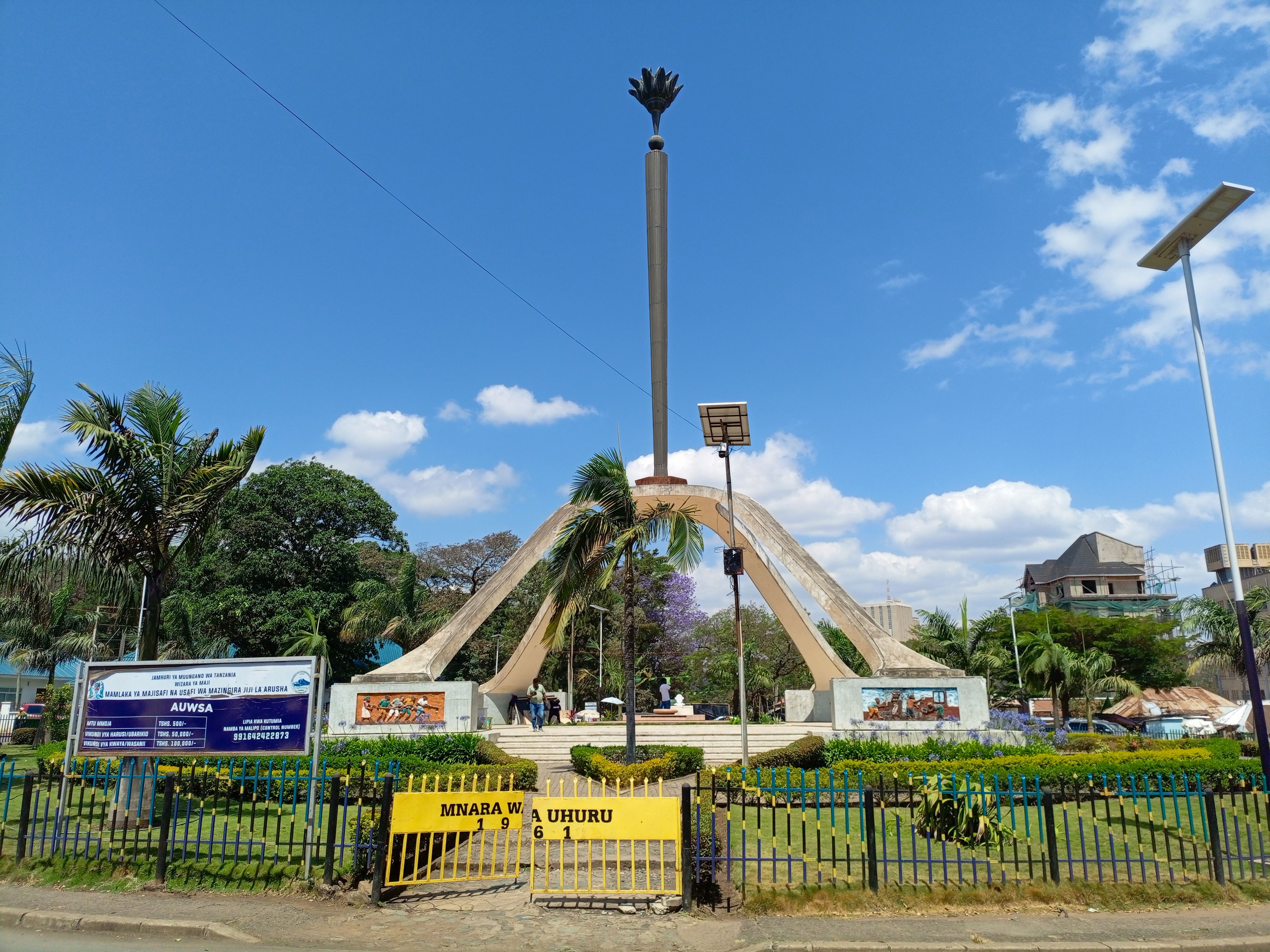
Uhuru Torch Monument
After an epic road trip from Kigali, I devoted a day to discovering Arusha on foot. Guided by curiosity, I wandered from museums to towering monuments, bustling markets to tucked-away juice bars. That spontaneous tour became a fitting prelude to the main event.
Land Rover Festival
The festival buzzed with Land Rovers of every era, posh Discoveries, souped-up Defenders, and vintage models that looked like they’d rolled straight out of the bush. It was a celebration of passion and a shared adventurous lifestyle.
We assembled in King'ori, somewhere between Arusha and Moshi. After a quick registration, our Defender was christened with an official event sticker, a badge of honor for what lay ahead. We were about to be part of history: the longest Land Rover convoy ever witnessed on planet Earth.
The atmosphere was electric, a vibrant fusion of heritage and horsepower. Maasai dancers kicked off the morning with high leaps and hypnotic chants, their colorful shukas flowing as they stamped ancient rhythms into the dust. Their performance was a bold tribute to the land we stood on. Around them, diesel engines were growling, warming up in synchrony like a mechanical symphony.
Then came the moment we’d all been waiting for. With a wave of the flag, the procession thundered to life and rolled out toward Arusha City. We cruised through Tengeru, rolled past Phillips, rounded the Impala roundabout, and circled the iconic Clock Tower. But this wasn’t just a drive. It was a full-blown spectacle. Speakers pumped music from open-roof Rovers, passengers danced and waved like royalty on parade, and bystanders flooded the streets, cheering and recording. Arusha didn’t just host the festival. The city owned it.
We spun our wheels past the Sheikh Amri Abeid Memorial Stadium and the Central Bus Station, swept through Florida roundabout, Mianzini, and Triple A, before finally roaring into Magereza Grounds in Kisongo suburb.
The roof of our Land Rover was wide open, and I stood tall up there, wind in my face, camera in hand, soaking in a panoramic view of the convoy, the city, and the surrounding landscape. From that elevated perch, Arusha unfolded beneath me like a storybook. Off in the distance, Mount Meru towered above the horizon, cloaked in mystery and morning haze. Its rugged slopes captivated me. In that moment, I quietly added it to my bucket list. Before tackling Kilimanjaro, I thought, this would be the perfect warm-up.
As mentioned earlier, I had wandered through Arusha on foot the day before. On the day of the festival, I found myself retracing familiar paths with a broader perspective. I spotted corners I had strolled past, markets I had peeked into, and there they were, the Clock Tower and the Uhuru Torch Monument, standing proud as ever. Landmarks I had admired up close now appeared like old friends waving from afar, framed by the motion and music of the convoy that had turned the city into one rolling celebration.
At Magereza Grounds, I took a stroll across the expansive venue, soaking in the sights and sounds of what felt like a dynamic trade fair. Auto dealers showcased gleaming 4x4s, spare parts sellers displayed rows of rugged components, tour operators pitched dream safaris, and stakeholders across the board mingled under colorful tents.
But it wasn’t all business. This was Tanzania, after all, a country that knows how to throw a proper celebration. If you’ve ever been to any festival in this East African country, you’ll understand: the energy is unmatched. And true to Arusha’s reputation, numerous cows and goats were slaughtered.
Later in the evening, I left for Nairobi to attend another engagement. It was only day one of the three-day festival, and while I had soaked up the best of the grand parade and the electric atmosphere at Magereza Grounds, leaving early meant missing out on the trip to Arusha National Park and the symbolic tree-planting ceremony.
Still, I left Arusha with dust on my boots, joy in my heart, and the echoes of revving engines and Maasai chants still ringing in my ears. For one unforgettable day, I had been part of something bigger, a celebration that promoted tourism, fostered connections with fellow adventurers, and paid tribute to Mwalimu Julius Kambarage Nyerere, a devoted Land Rover user. For the record, the final day of the festival, October 14, was Nyerere Day.
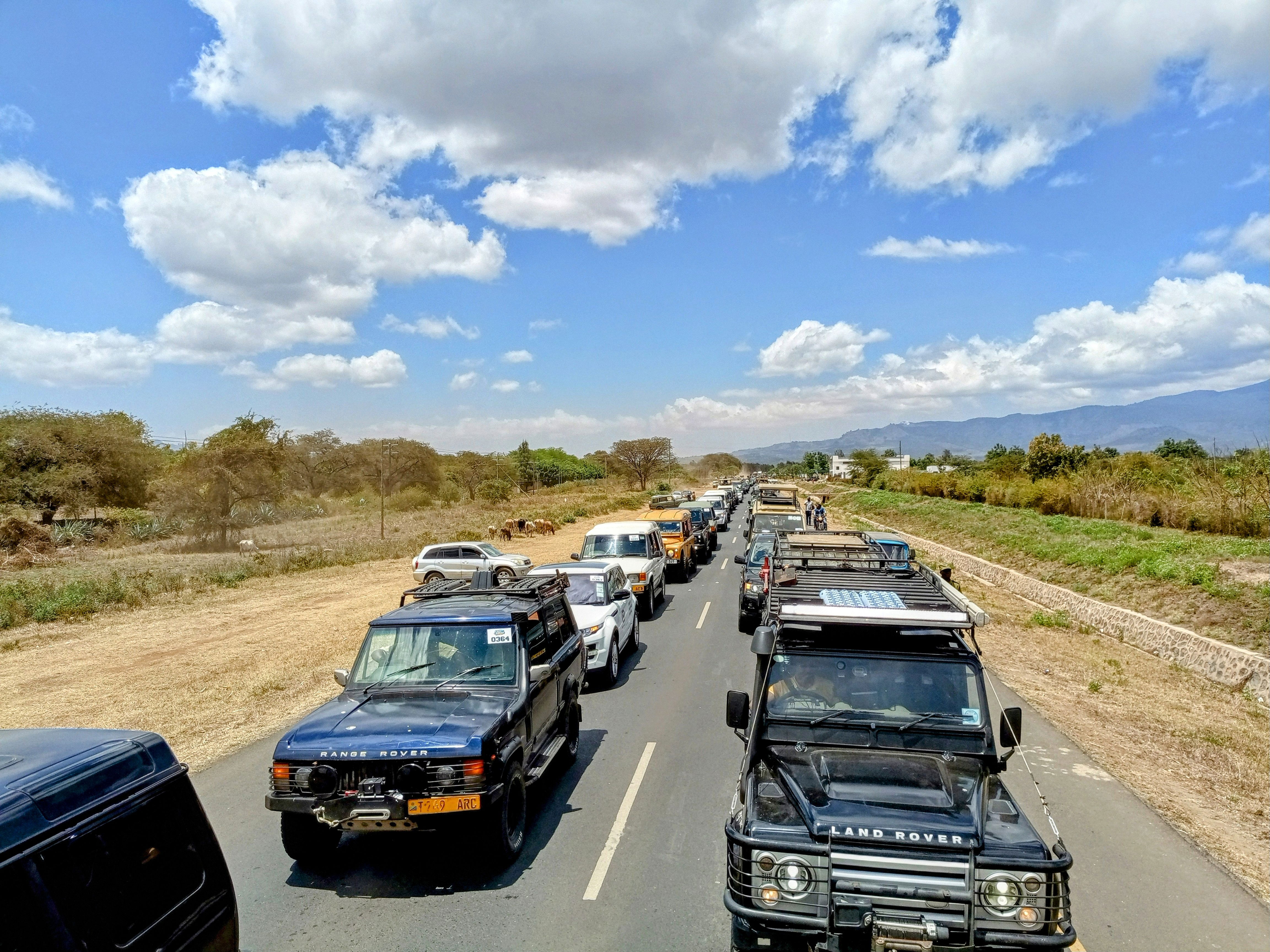
The Biggest Land Rover Parade Ever