Kimihurura Heights: Striking a Balance Between Business, Leisure and Urban Living
Sometimes, discovering a place begins with a practical assignment rather than a desire to explore. My introduction to Kimihurura Heights was one such occasion.
I was looking for comfortable but affordable accommodation for a team from one of our foreign partners who would be traveling to Kigali for a conference. Beyond the conference, they had plans to engage with stakeholders and pursue some business opportunities. I needed somewhere that would serve as a comfortable base for the duration of their stay.
I had two immediate considerations: proximity to Kigali Convention Centre (KCC) and cost. With the team expected to spend considerable time at the conference venue and in meetings around the city, staying somewhere nearby made practical and financial sense.
My search began online. I researched accommodation facilities in the vicinity, compared options and shortlisted a few properties for physical inspection. Online research is useful, but there are things you simply cannot establish from photographs and descriptions.
I wanted to see the places for myself.
Beyond the photographs
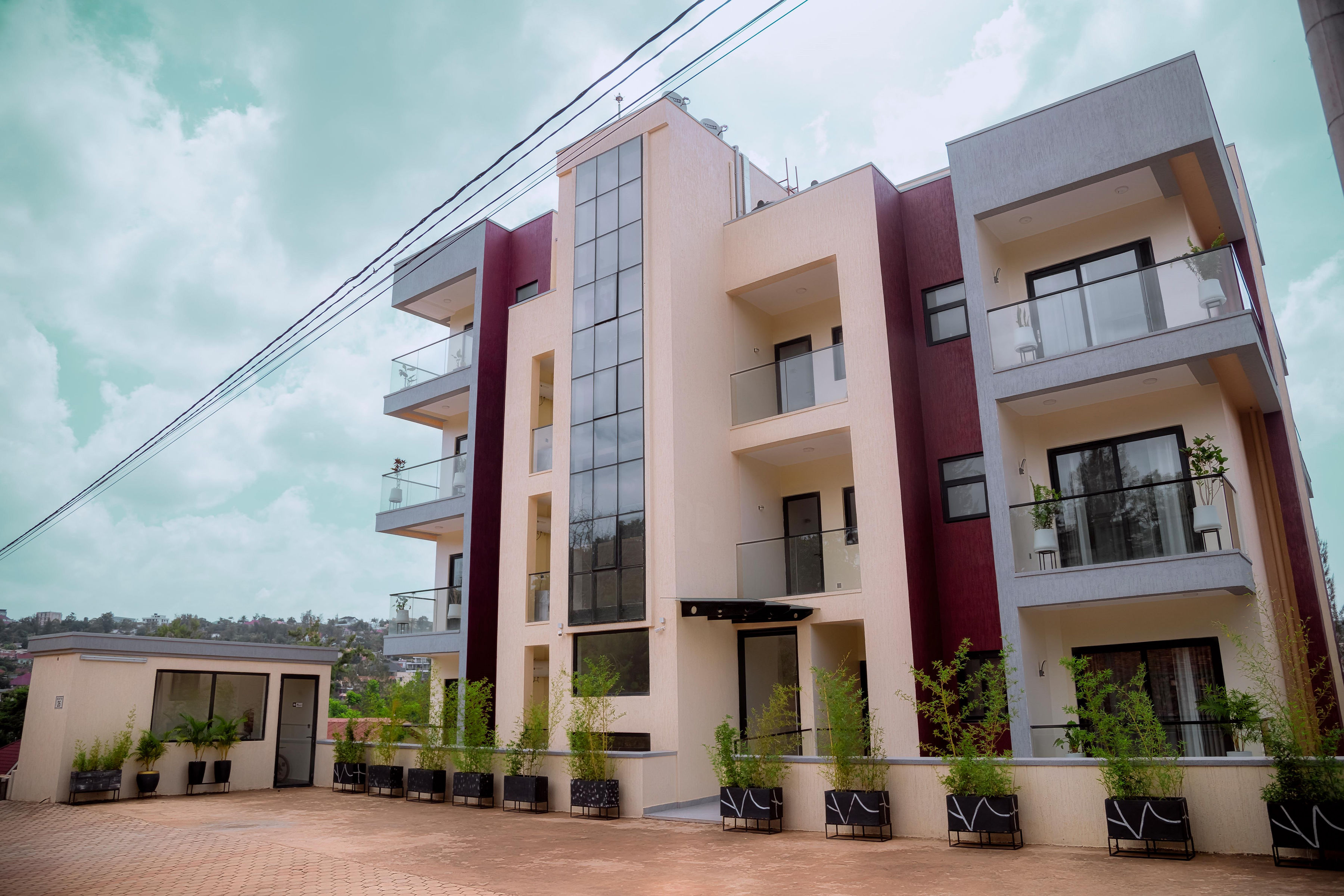
There were several things I needed to check during these visits. Kigali was coming out of a prolonged dry season that had resulted in water shortages in some parts of the city. Water storage was therefore high on my inspection list. I wanted to see the reservoirs and confirm whether the facilities had sufficient storage to give my guests confidence that they would have water throughout their stay.
Reliable electricity and internet connectivity were equally important. These were business visitors. An apartment with unreliable power or internet would defeat the purpose.
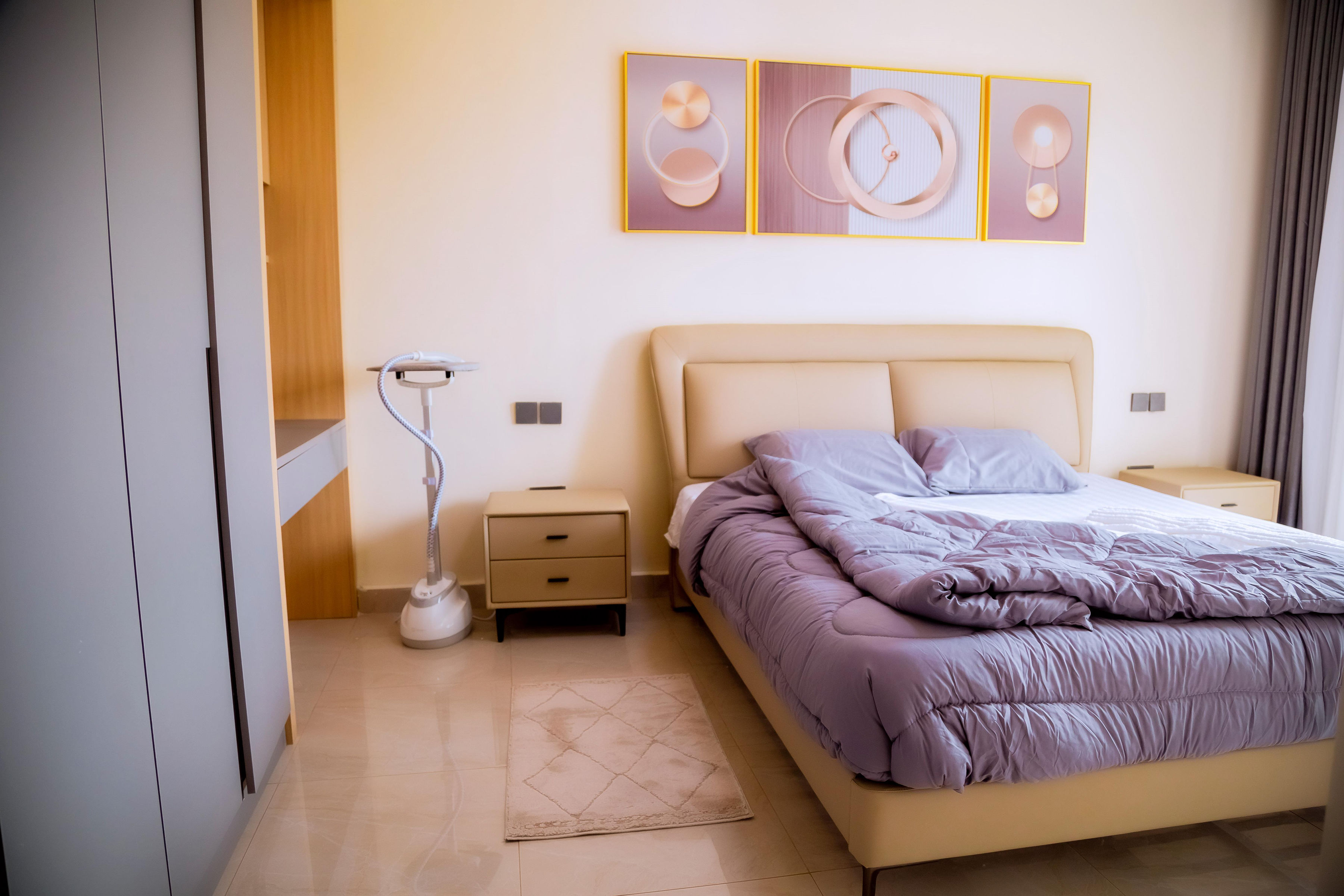
Then there was the question of comfort. After a long day of conference sessions, proposals and other business engagements, one needs somewhere to unwind and enjoy a good night's sleep.
I also had a few thoughts about the mornings. I knew my partners liked to prepare themselves some coffee first thing after waking up. Sometimes, even before taking showers! Breakfast would be served elsewhere, but some people need that first shot of caffeine to fully open their eyes and find their way to the bathroom. I wanted to see whether the apartments had properly equipped kitchens, including basic utensils.
It was quite a list of considerations for what was essentially an accommodation search.
A promising discovery in Rugando
One of the properties on my shortlist was Kimihurura Heights, located in the Rugando area of Kimihurura. It was conveniently positioned for my assignment, approximately five minutes from KCC.
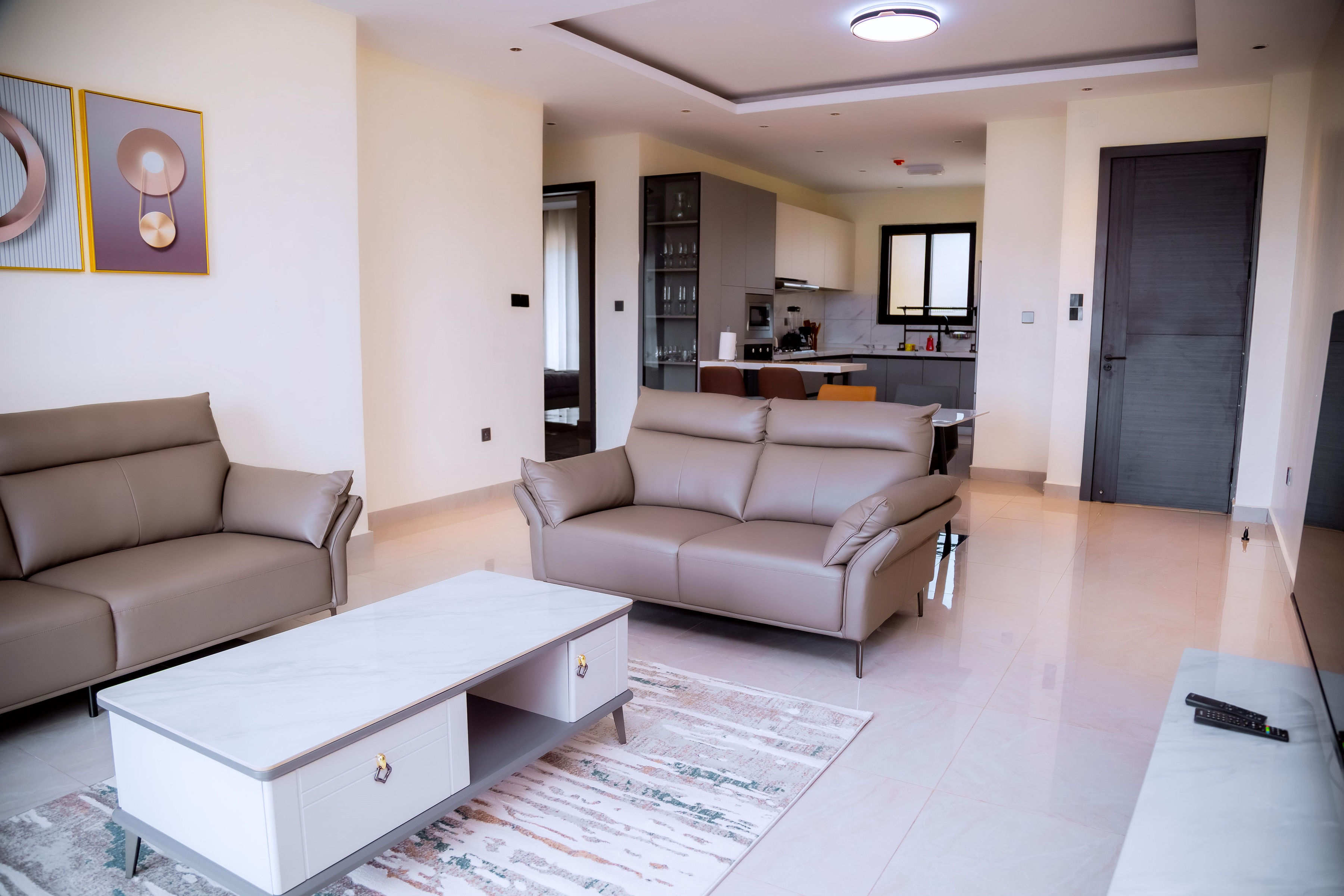
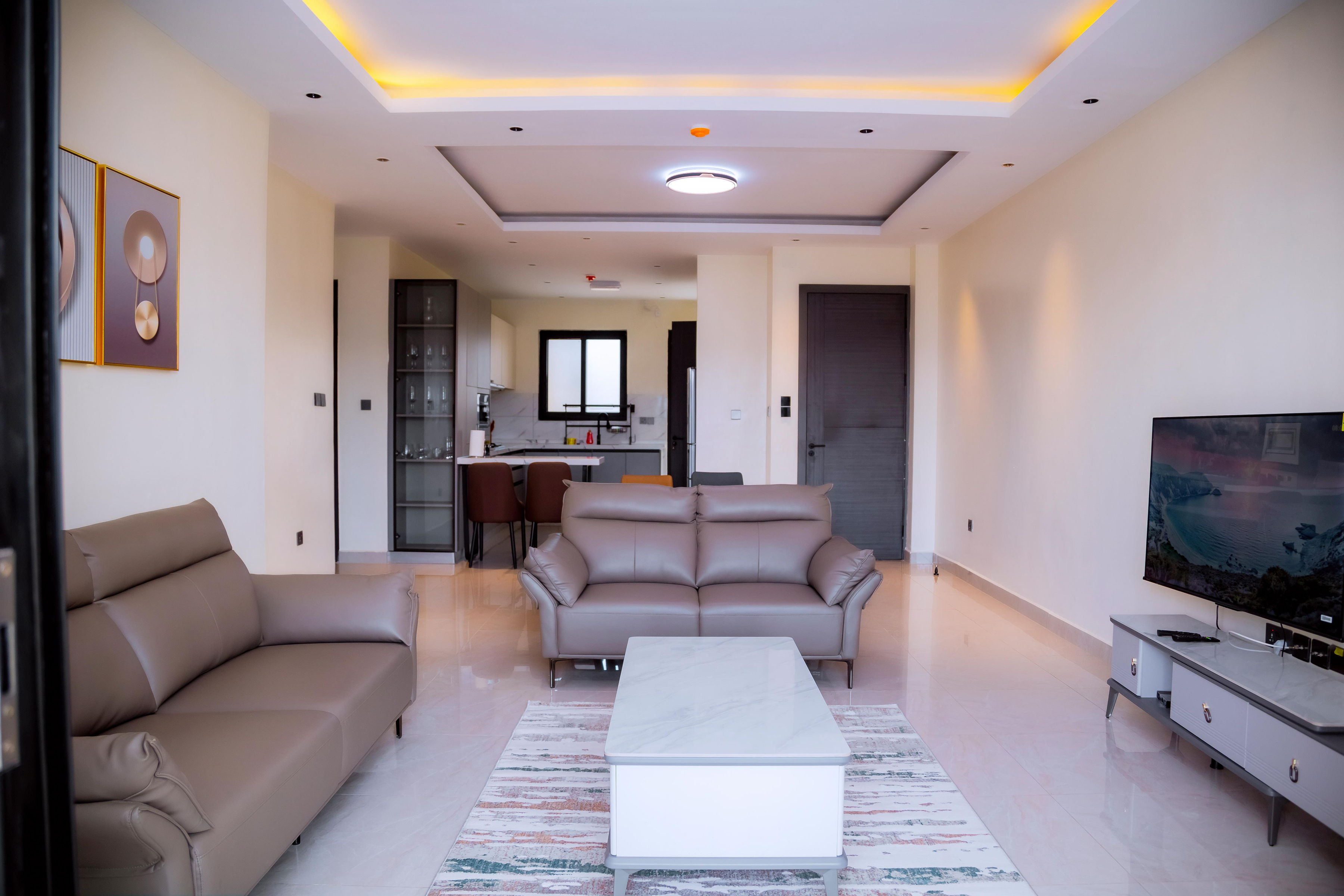
During my tour, I got to explore the facility and assess its offerings. The property has 18 serviced apartments, available in one-, two- and three-bedroom configurations. The apartments are furnished and designed to provide the conveniences of a home, with living spaces, equipped kitchens and private facilities.
For business visitors who might be staying for more than a few nights, having a kitchen and a comfortable living area makes a difference. It offers a little more independence than a conventional hotel room.
Other facilities include high-speed internet, 24-hour security, secure parking and a backup generator. The property also has rooftop space. These are useful features for people who need to combine work commitments with comfortable living arrangements while away from home.
After touring the facility, I gave it a clean bill of health. I was satisfied with what I had seen and could see it working for the team.
There was, however, one thing I wanted to investigate further.
An unexpected attraction behind the building
Although Kimihurura Heights is conveniently close to KCC, it sits on the lower side of Rugando, toward the edge of the neighborhood and bordering a wetland.
My immediate concern was mosquitoes. Would the proximity to the wetland mean an uncomfortable number of them around the property? I wasn't going to make assumptions. I needed to see what was happening behind the building.
So I walked around to take a closer look.
What I found was quite different from what I had anticipated. The wetland was undergoing transformation into an urban recreational and ecological space, part of an ambitious program by the City of Kigali to rehabilitate its urban wetlands.
This is not an isolated undertaking. Through a program implemented under the Second Rwanda Urban Development Project, the City of Kigali and its partners are rehabilitating five major wetlands covering approximately 491 hectares.
The massive project goes beyond restoring natural ecosystems. The city is introducing artificial lakes, landscaped green spaces, botanical gardens, walking and cycling paths, and recreational facilities. It is an effort to bring nature back into the urban environment while creating accessible spaces for residents and visitors to enjoy.
The program also has important environmental benefits. Restored wetlands help regulate stormwater and reduce flooding, improve water quality, support biodiversity and provide habitats for birds and other wildlife.
During my visit, the work around the wetland bordering Kimihurura Heights was still underway. However, the transformation was already becoming visible. Gardens, walking and jogging routes, and cycling lanes were taking shape. I could see the potential of what was emerging just behind the property.
My initial concern had turned into curiosity.
Two sides of a changing Kigali
The property is positioned between two very different experiences of Kigali. On one side is the city's growing business and commercial environment, anchored by Kigali Convention Centre (KCC).
Kigali has established itself as one of Africa's leading destinations for international association meetings. According to the International Congress and Convention Association (ICCA) 2025 city rankings, Kigali was second on the continent, behind Cape Town. It is a position the city has maintained for six consecutive years.
KCC is central to this growing reputation. But beyond providing a venue for conferences and meetings, it represents a much bigger story about Rwanda's emergence as a destination for international business, knowledge exchange and investment.
On the other side is a natural environment that offers a welcome contrast to the pace of urban life.
The wetland restoration taking place around the city is particularly interesting. Kigali is undertaking what the World Bank describes as Africa's largest city-wide urban wetland rehabilitation program, transforming nearly 500 hectares of wetlands into ecological and recreational spaces.
It is a compelling example of how conservation can contribute to better urban lifestyles. The city is not simply restoring its natural environment. It is making that environment part of everyday urban life.
The rehabilitation work is already changing the character of the surroundings. The prospect of having landscaped green spaces and recreational routes practically on the doorstep adds another dimension to the property's location.
Imagine waking up to the sounds of birds in the park. You lace up your walking shoes, step outside and find yourself on a walking trail surrounded by greenery. A morning walk or jog before getting into the day's business engagements suddenly becomes an appealing possibility.
It is an interesting combination: business convenience without having to sacrifice access to nature.